Lawn Care in East Dulwich: Practical, Local, and Year-Round Advice for a Healthier Garden
Keeping a lawn in great shape is one of the simplest ways to improve the look and feel of a home. In East Dulwich, where gardens range from compact urban plots to larger family outdoor spaces, lawn care needs to be practical, season-aware, and suited to local conditions. Whether you want a neat front lawn, a usable family garden, or a lush green space that stands up to regular foot traffic, the right approach to lawn care in East Dulwich can make a real difference.
The local climate, shade from mature trees, occasional dry spells, and the realities of city living all influence how grass grows here. That means effective East Dulwich lawn care is not just about mowing every so often. It involves feeding, aeration, weed control, scarifying, and choosing the right maintenance rhythm across the year. With a smart plan, even a tired lawn can become greener, stronger, and more resilient.
In this article, we explore the key elements of lawn maintenance in East Dulwich, from seasonal tasks to problem-solving techniques. If you are looking to improve your garden’s appearance and create a healthier lawn, the tips below will help you make informed decisions. Consistent care, tailored to the local environment, is the foundation of long-term lawn success.
Why Lawn Care in East Dulwich Needs a Local Approach

Every area has its own gardening challenges, and East Dulwich is no exception. The neighbourhood’s mix of period properties, terraced homes, and shaded gardens creates varied conditions that affect grass growth. Some lawns receive full sun for most of the day, while others are partly covered by fences, buildings, or nearby trees. These differences matter when planning lawn maintenance in East Dulwich.
Local lawns are also affected by soil structure. In many gardens, compacted soil and drainage issues can slow grass growth, especially in areas where children, pets, or frequent use put pressure on the turf. Without regular maintenance, lawns can become thin, patchy, or prone to moss. That is why East Dulwich lawn care often includes more than just cutting the grass.
Another factor is the rhythm of urban living. Busy households may want a low-maintenance lawn that still looks presentable throughout the year. Others may prefer a more ornamental finish. Either way, effective lawn care in East Dulwich should balance appearance, durability, and the amount of time available for upkeep.
Common local lawn challenges
- Shaded areas caused by neighbouring trees and buildings
- Soil compaction from repeated foot traffic
- Poor drainage in heavier or disturbed soil
- Dry patches during warmer periods
- Moss and weeds competing with grass
Essential Lawn Care Services for East Dulwich Homes
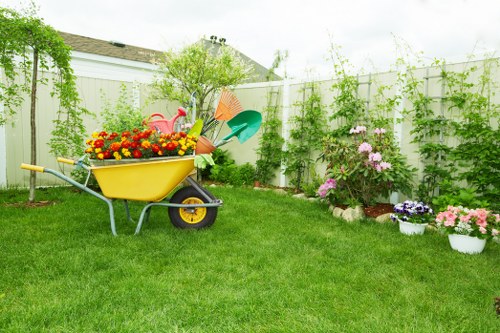
A good lawn stays healthy because it receives the right services at the right time. In East Dulwich, the most effective approach combines regular mowing with more targeted treatments that improve root strength and grass density. When these services work together, the lawn becomes better equipped to handle stress, weather changes, and everyday use.
One of the biggest mistakes people make is treating lawn care as a one-off job. In reality, East Dulwich lawn care works best as an ongoing process. A lawn that is fed, aerated, and trimmed with care will usually outperform one that is simply cut once in a while. The goal is not only a neat finish but also a healthier root system underneath.
Professional and well-planned home maintenance can include a mix of core services. Some are seasonal, while others are needed more regularly. The exact schedule depends on lawn condition, weather, usage, and grass type. The list below shows the most important tasks for reliable lawn maintenance in East Dulwich.
Main services that support healthy grass
- Mowing: Regular cutting keeps grass even and encourages dense growth.
- Feeding: Lawn fertiliser helps restore nutrients and supports strong colour.
- Aeration: This reduces compaction and helps air, water, and nutrients reach the roots.
- Scarifying: Removes thatch and dead material that can block healthy growth.
- Overseeding: Fills in thin areas and improves lawn thickness.
- Weed and moss control: Helps grass dominate rather than letting unwanted growth take over.
Mowing Techniques That Improve Lawn Health
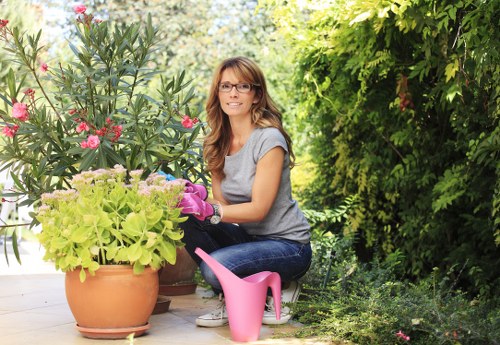
Mowing is the most visible part of lawn care, but it also has a major effect on long-term health. Cutting grass too short can stress the lawn and expose the soil to heat and weeds. Leaving it too long can create an untidy appearance and weaken even growth. For lawn care in East Dulwich, the goal is to mow with consistency and care.
During active growing periods, lawns usually benefit from weekly mowing, although this may vary depending on growth rate and weather. In spring and early summer, grass can grow quickly, especially after feeding and rainfall. Later in the year, mowing frequency often slows. A flexible schedule is often best for East Dulwich gardens because lawns here can respond differently depending on sun, shade, and soil conditions.
Sharp mower blades are essential. Blunt blades tear grass rather than cutting it cleanly, which can leave the lawn looking ragged and increase the risk of disease. A clean cut supports recovery and helps the lawn keep its colour. For anyone focused on East Dulwich lawn care, maintaining mower quality is as important as the cutting routine itself.
Helpful mowing practices
- Never remove more than one-third of the grass height in a single cut
- Alternate mowing direction to avoid soil compaction and ruts
- Keep mower blades sharp and clean
- Raise cutting height during dry or hot periods
- Leave grass slightly longer in shaded areas
Tip: A slightly higher cut often helps lawns retain moisture and resist stress, particularly in parts of East Dulwich that experience strong sunlight or limited watering.
Feeding, Watering, and Seasonal Support
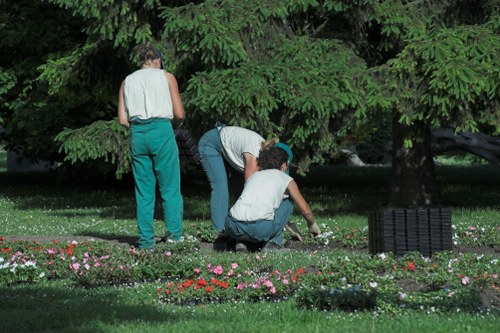
Grass needs nutrients to stay green and vigorous. Over time, soil loses fertility, especially in gardens that are regularly mowed. Feeding restores important minerals and supports steady growth. In East Dulwich, lawn feeding is particularly useful after winter, during active spring growth, and again in autumn when the lawn is preparing for colder weather.
Watering also plays a role, though it should be used sensibly. Lawns generally cope better with deeper, less frequent watering than with shallow daily watering. This encourages roots to grow further into the soil, making the grass more drought-tolerant. In gardens with good drainage, the lawn may need more attention during dry spells. In shaded or heavy soil areas, too much water can be just as problematic as too little.
Seasonal lawn care in East Dulwich is about responding to changes in weather and growth patterns. A lawn treated in the right season is more likely to stay thick, healthy, and attractive all year round. The following seasonal outline gives a practical sense of what to focus on.
Seasonal lawn care priorities
Spring
- Rake out winter debris and early moss
- Apply a spring feed
- Begin regular mowing as growth improves
- Repair bare areas with overseeding
Summer
- Mow at a slightly higher setting
- Water during dry periods if needed
- Watch for weeds, dry patches, and stress
- Avoid overfeeding in very hot weather
Autumn
- Scarify if thatch has built up
- Aerate compacted soil
- Apply an autumn lawn feed
- Overseed thinning areas before colder weather
Winter
- Avoid walking on frozen or waterlogged turf
- Clear leaves and debris to reduce rot
- Keep mowing to a minimum
- Plan improvements for spring
Scarifying, Aeration, and Overseeding for Long-Term Improvement
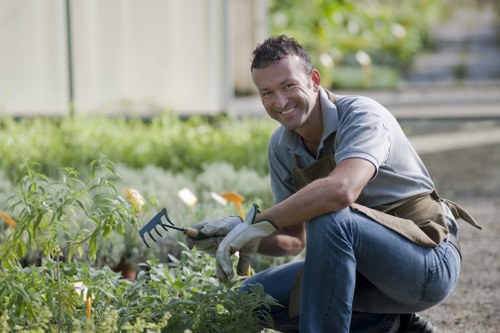
Some lawns in East Dulwich look okay on the surface but struggle underneath. If grass is thin, patchy, or spongy, it may need deeper renovation work. That is where scarifying, aeration, and overseeding come in. These tasks are especially valuable for older lawns or spaces that see regular use.
Scarifying removes thatch, moss, and dead organic matter from the surface of the lawn. A small amount of thatch is normal, but too much creates a barrier that can stop air and water reaching the roots. When done properly, scarifying opens the lawn up and encourages healthier regrowth. It is one of the most effective methods used in lawn care in East Dulwich when lawns start to look tired.
Aeration helps relieve compaction. This is especially important in gardens where soil has been pressed down by foot traffic, play, or regular maintenance. By creating channels in the ground, aeration improves drainage and root access. It also helps any feed or water applied afterwards to work more efficiently.
Why overseeding matters
Overseeding adds fresh grass seed to thin areas, helping to build a denser lawn over time. It is often used after scarifying or aeration because the improved soil conditions give new seed a better chance to establish. For many East Dulwich gardens, overseeding is a smart way to fill bare patches, improve resilience, and reduce the chance of weeds moving in.
In short: if you want stronger turf, these three treatments often work best together. Scarify to clear the surface, aerate to improve the soil, and overseed to rebuild thickness.
Dealing with Weeds, Moss, and Patchy Lawns
Weeds and moss are common frustrations for homeowners who want a neat lawn. While they are often symptoms of an underlying issue, they can also make a lawn look neglected. Effective East Dulwich lawn care focuses on tackling the cause as well as the visible problem.
Weeds tend to thrive where grass is weak, sparse, or under stress. That means improving the lawn’s health is usually better than relying only on quick fixes. Moss, meanwhile, often appears in shaded, damp, or compacted areas. It can be controlled, but lasting improvement usually requires better drainage, aeration, and a more suitable mowing routine.
Patchy lawns can result from many causes: heavy use, pet damage, poor soil, low nutrients, or dry conditions. The best solution depends on what is causing the problem. In some cases, a simple feeding and overseeding plan will help. In others, the lawn may need more substantial treatment to improve structure and restore grass coverage.
Simple steps that help reduce lawn problems
- Feed regularly so grass grows strongly
- Mow at the right height for the season
- Clear leaves and debris before they smother the turf
- Water deeply rather than lightly and often
- Aerate compacted sections to support root health
- Use overseeding to thicken weak areas
For long-lasting results, avoid treating weeds and moss as isolated issues. A better lawn care routine in East Dulwich will improve the conditions that allow them to return.
Choosing the Right Lawn Care Routine for Your Garden
No two lawns are identical, even within the same street. Some East Dulwich gardens are shaded and damp, while others are open and sun-drenched. Some are used mostly for visual appeal, while others must withstand children, pets, or frequent entertaining. A strong lawn care routine should reflect the way the garden is actually used.
It helps to think about the lawn’s main purpose. If it is a showpiece, you may want a finer finish with more regular maintenance. If it is a family space, durability may matter more than perfection. For many homeowners, the ideal approach blends both. A neat lawn that stays strong through the season is often more satisfying than a highly polished lawn that struggles under pressure.
East Dulwich lawn care is also easier when tasks are broken into manageable steps. Rather than trying to do everything at once, a seasonal routine keeps the work under control. Regular mowing, timely feeding, occasional scarifying, and planned overseeding can transform the lawn without overwhelming the schedule.
Questions to ask before planning maintenance
- How much sunlight does the lawn receive?
- Does the area suffer from drainage problems?
- How often is the lawn used?
- Are there signs of moss, weeds, or bare patches?
- Is the goal appearance, durability, or both?
Good lawn care is never accidental. It is the result of regular attention, informed decisions, and small improvements over time.
Benefits of Professional Lawn Care in East Dulwich
Many homeowners enjoy looking after their gardens, but some lawns need more specialist attention than a basic routine can provide. Professional lawn care in East Dulwich can be especially useful when the turf is heavily compacted, full of moss, or showing long-term decline. Expert treatment can save time and produce more reliable results.
Professional lawn services often bring experience with local soil types, seasonal timing, and practical restoration methods. This is valuable because the wrong treatment at the wrong time can do more harm than good. For example, scarifying too aggressively or feeding at the wrong point in the season may stress a lawn rather than improve it. Careful timing matters.
Another benefit is consistency. A lawn looks its best when tasks are completed regularly and in the right order. For many households, outsourced lawn maintenance in East Dulwich is a convenient way to keep the garden presentable without sacrificing weekends or relying on guesswork.
Typical advantages of expert help
- Healthier turf through correct treatment timing
- Improved appearance with less effort from the homeowner
- Better handling of moss, weeds, and bare patches
- Long-term support for stronger root growth
- More reliable results across changing seasons
If your lawn has been underperforming for years, professional attention may be the fastest way to restore it.
Keeping Your Lawn Looking Good All Year
A healthy lawn is not built in a weekend. It develops through steady care, sensible mowing, and the right support at the right time of year. In East Dulwich, where gardens face a variety of conditions, that steady approach is especially important. The good news is that even modest improvements can have a noticeable effect.
Start by focusing on the basics: cut the grass correctly, feed it at the right times, and keep the soil in good condition. Add aeration, scarifying, and overseeding when needed. Over time, these steps work together to create a lawn that is denser, greener, and more pleasant to use. Consistency is the key to successful lawn care in East Dulwich.
If your lawn is currently patchy, dull, or overrun with moss, do not assume it will always stay that way. Most lawns can improve with the right plan and a bit of patience. Small changes, repeated regularly, often produce the best long-term results.
Final practical checklist
- Mow regularly and avoid cutting too short
- Feed the lawn in spring and autumn
- Aerate compacted areas
- Scarify when thatch becomes a problem
- Overseed thin patches before they worsen
- Adjust care to suit shade, sunlight, and weather
Need a better-looking lawn in East Dulwich? Take the next step today. Book your service now and enjoy a greener, healthier garden that is easier to maintain throughout the year. If you are ready to improve your outdoor space, contact us today and start turning your lawn into a feature you can be proud of.