Health and Safety Policy for Gardeners East Dulwich
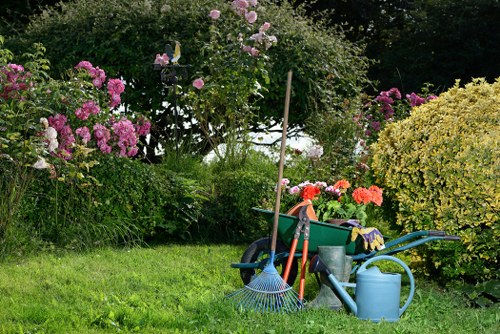 Health and safety is central to every task carried out by Gardeners East Dulwich. This policy sets out the standards, responsibilities, and precautions that guide our work so that gardening services are delivered safely, efficiently, and with respect for people, property, and the environment. Whether the job involves routine maintenance, planting, pruning, or seasonal tidy-ups, our approach is built on risk awareness, careful planning, and consistent supervision.
Our policy applies to all staff, contractors, and anyone working on behalf of the company. We expect every team member to act responsibly, follow safe working practices, and report concerns promptly. In a practical working environment, hazards can include slips, trips, manual handling strain, sharp tools, weather exposure, electrical equipment, and contact with plants or materials that may irritate skin. By identifying these risks in advance, garden health and safety becomes part of daily routine rather than an afterthought.
 Management is responsible for providing suitable equipment, ensuring workers are trained for the tasks they perform, and maintaining clear procedures for safe operation. Employees are expected to use tools correctly, wear appropriate personal protective equipment, and avoid any action that could place themselves or others at risk. A strong safety culture relies on communication, supervision, and prompt reporting of defects, accidents, or near misses.
Before any work begins, a basic site assessment should be completed. This includes checking access routes, looking for uneven ground, identifying fragile surfaces, and noting the position of obstacles, children, pets, vehicles, or public pathways. Where necessary, work areas should be marked clearly to reduce the chance of accidental entry. For East Dulwich gardeners and others working in similar urban settings, these checks are especially valuable because outdoor spaces can change quickly and may present hidden hazards.
 Safe manual handling is a key part of this policy. Soil bags, compost containers, pots, stones, and equipment can all place strain on the back, shoulders, and arms if lifted incorrectly. Staff should assess the weight and shape of each item, use mechanical assistance where possible, and ask for help when loads are awkward or heavy. Tasks should be rotated when repetitive movements may lead to fatigue. By promoting sensible lifting practices, gardening safety standards are improved and injury risk is reduced.
Tools and machinery must be inspected before use and stored securely after use. Blades, shears, strimmers, mowers, and powered equipment should be maintained in good working order and operated only by trained personnel. Guards, switches, cables, and fuel containers must be checked regularly. Damaged equipment should be taken out of service immediately. Good maintenance supports safe garden services and helps prevent avoidable accidents caused by wear, misuse, or poor condition.
Personal protective equipment should be selected according to the task. Gloves, sturdy footwear, eye protection, hearing protection, and weather-appropriate clothing may be required depending on the work being carried out. PPE does not remove risk by itself, but it provides an important final layer of protection when used correctly. Workers should ensure that equipment fits properly, remains clean, and is replaced when damaged or no longer suitable.
Environmental conditions must also be taken into account. Rain, wind, frost, heat, and poor visibility can all affect safety and the quality of work. Surfaces may become slippery, branches may fall unexpectedly, and prolonged exposure to sun or cold can affect concentration and wellbeing. When conditions are unsuitable, tasks should be postponed or adjusted. This flexible approach is part of a responsible gardener safety policy and helps protect both workers and clients’ property.
At the middle of operations, good hygiene and safe handling of materials remain essential. Compost, waste, and green cuttings should be managed in an orderly way to avoid contamination, blocked walkways, and pest attraction. Sharps, broken glass, wire, or other hidden items must be handled carefully. Hands should be cleaned after dealing with soil, chemicals, or waste, and any cuts should be covered properly. These measures support clean and safe working practices across all gardening tasks.
Where plant treatments, fuels, or cleaning products are used, instructions and storage rules must be followed exactly. Containers should be labelled clearly and kept away from unauthorised access. Workers should never mix products unless specifically instructed to do so by the manufacturer or a competent supervisor. Any substance with the potential to irritate skin, eyes, or breathing should be handled cautiously and with the appropriate protective measures in place. Responsible use of materials is a defining feature of professional garden maintenance safety.
Emergency readiness is also part of this policy. First aid supplies should be available where appropriate, and workers should know the correct procedure for reporting incidents, seeking help, and securing the area after an accident. If someone is injured, the priority is to stop work, make the area safe, and ensure that assistance is provided without delay. Near misses must also be recorded and reviewed, because they often reveal risks that can be controlled before a real injury occurs.
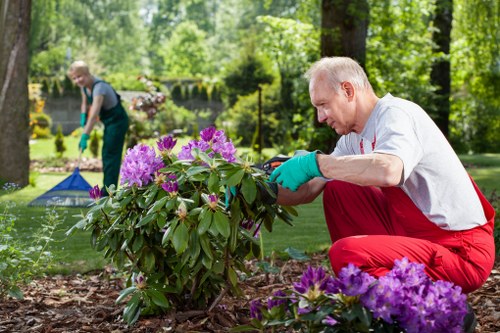 Training, supervision, and periodic review help ensure that this policy stays effective. New workers should be introduced to safe practices before they begin tasks independently, and experienced staff should receive updates whenever equipment, processes, or risk levels change. Managers should review work methods regularly and encourage suggestions for improvement. A policy works best when it is practical, understood by everyone, and supported consistently in day-to-day operations.
This health and safety policy reflects our commitment to carrying out gardening work responsibly and professionally. By combining planning, competence, and attention to detail, Gardeners East Dulwich aims to minimise risk while maintaining high standards of service. Safety is not separate from good workmanship; it is an essential part of it.
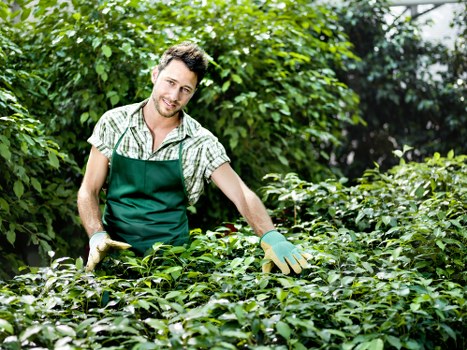 Every task, from simple upkeep to more demanding outdoor work, should be approached with care, communication, and common sense. When safe practices are followed consistently, the result is a working environment that protects workers, respects clients, and supports reliable, high-quality results across all garden care activities.