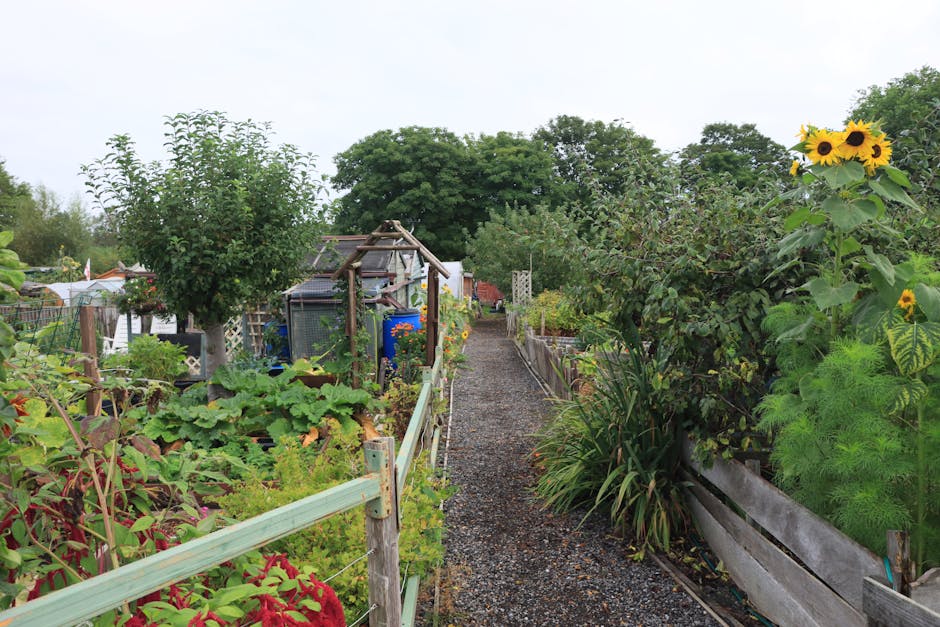
Lordship Lane local gardeners insider tips for gardens
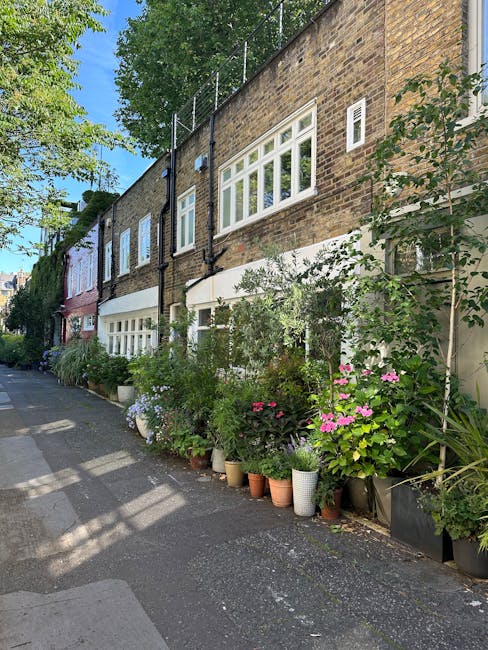
If you live near Lordship Lane, you already know the gardening brief is a little different from the glossy stuff you see in magazines. Small front gardens, shady back plots, windy corners, a patch of stubborn clay, and the occasional "why is this suddenly full of bindweed?" moment. That is exactly where Lordship Lane local gardeners insider tips for gardens become useful. Not fancy for the sake of it. Just the sort of grounded, practical advice that helps a garden look better, last longer, and feel easier to manage week after week.
In this guide, you will get a clear local approach: how to work with East Dulwich conditions, which maintenance habits save the most time, what to plant where, and how experienced gardeners think through problems before they become expensive mistakes. A few of the ideas are simple. Some are a bit clever. All of them are usable.
Why Lordship Lane local gardeners insider tips for gardens Matters
Local knowledge matters in gardening more than people often expect. A plant that looks brilliant in a sheltered suburban border can sulk in a Lordship Lane front garden with reflected heat, dry pockets, or the kind of narrow planting strip that gets baked by brickwork in summer and drenched in winter. That is the real world. And truth be told, a lot of garden disappointment comes from ignoring that reality.
The best local gardeners do not start with trends. They start with conditions. Light, wind, soil, access, pets, how much time you actually have, and whether the garden needs to look good from the kitchen window or survive school-run chaos. Once you think like that, your decisions get easier. You stop buying plants that need constant babysitting, and you stop fighting the site itself.
It also matters because a garden is rarely just a "garden." On Lordship Lane, it might be a family space, a quiet retreat, a place for pots and herbs, a dog-friendly run, or a front garden that quietly carries the whole first impression of the house. The design job changes with the way people live. That sounds obvious, but many gardens fail because they are designed for an imaginary lifestyle, not the one happening on a Tuesday evening in October.
Expert summary: local gardening success usually comes from matching the right plant, the right maintenance rhythm, and the right layout to the actual site. Do that well, and even a modest garden can feel much bigger, calmer, and more polished.
How Lordship Lane local gardeners insider tips for gardens Works
The approach is straightforward, but it works because it is layered. First, you read the site. Then you set priorities. After that, you choose plants and materials that make maintenance easier rather than harder. It is a bit like cooking: good ingredients matter, but timing and sequence matter too.
In practical terms, local gardeners will usually assess:
- Sun and shade patterns across the day, especially near fences, walls, and neighbouring trees.
- Soil type and drainage, which in many London gardens can swing from compacted clay to dried-out topsoil near patios.
- Exposure to wind, traffic dust, and heat radiating from paving or brickwork.
- How often the garden is used and whether it needs to be child-friendly, pet-friendly, or low maintenance.
- What already exists that can be improved rather than removed.
From there, the work becomes more strategic. For example, if one side of the garden is shaded and damp, you do not force sun-lovers into that area. You work with it using robust ground cover, shade-tolerant planting, or structural interest. If a boundary is windy, you think about layered screening rather than leaving delicate stems exposed. If the garden is small, you build upward with containers, climbers, and smart vertical use of space. There is a lovely article on vertical gardening ideas that fits this kind of thinking very well.
The secret, honestly, is consistency. A garden rarely needs dramatic intervention. It needs the right sequence of small good decisions.
Key Benefits and Practical Advantages
When you apply local gardener know-how properly, the benefits show up fast. Some are visible, some are quieter but just as valuable.
- Less maintenance stress: you choose plants and materials that do not fight your lifestyle.
- Better seasonal resilience: the garden handles wind, rain, cold snaps, and summer dryness more gracefully.
- Improved visual balance: even awkward corners feel intentional rather than neglected.
- Smarter use of space: every metre has a job, especially in compact urban plots.
- Lower repair costs over time: prevention nearly always beats rescue work. Nearly always.
- More usable outdoor living space: paths, seating, and planting areas start working together.
There is also a comfort factor that people underestimate. A garden that is tidy, thriving, and easy to read feels lighter to live with. You notice it when you step outside with a coffee and there is no visual noise, no sagging hedge, no overgrown edge eating into the patio. It just feels calmer.
If you are trying to build privacy without making the garden feel boxed in, a useful starting point is the guide on fast-growing privacy hedges. Screening done well can be elegant, not heavy-handed.
Who This Is For and When It Makes Sense
This approach suits a lot of people, but especially those who want a garden that works hard without becoming a second job.
- Homeowners who want a smart, long-lasting outdoor space.
- Renters or short-term occupants who need container-based improvements rather than major permanent changes.
- Families looking for safer, more durable layouts.
- Busy professionals who need low-maintenance planting and simple routines.
- Dog owners who need practical, resilient planting and clear paths.
- People with tired gardens who want a rescue plan rather than a full rebuild.
It makes sense whenever you feel the garden is underperforming. Maybe the lawn is patchy, the borders feel bare, the hedge is doing its own thing, or the whole place looks slightly forgotten after winter. That is a very normal point to begin from.
And if the garden is already doing well? These same tips still help. Good gardens need maintenance and small corrections, not just enthusiasm. Let's face it, enthusiasm alone does not trim a hedge.
If your garden feels like it needs a reset, the rescue-focused advice in neglected garden rescue tips is a sensible companion read.
Step-by-Step Guidance
Here is the practical version. Not theory. A usable sequence.
- Walk the garden at different times of day. Notice where the sun lands, where water sits after rain, and which spots you avoid without thinking.
- Clear obvious clutter first. Dead stems, self-seeded weeds, broken pots, and unstable edging all distort how you see the space.
- Decide the job of each zone. Seating area, planting border, play zone, storage corner, herb patch, or screening area. A garden without jobs gets messy fast.
- Fix the structure before the styling. Hedges, fences, trellis, paths, and lawn edges come first. That gives the garden a backbone.
- Choose plants for the real conditions. Shade, dry shade, sun-trap, wind exposure, and soil texture should all shape the shortlist.
- Group plants in sensible drifts. Repetition looks calmer than a random scatter of one-of-each specimens.
- Mulch and feed appropriately. This helps moisture retention and soil health, especially in beds that dry out quickly.
- Set a maintenance rhythm. A little and often approach usually beats heroic weekend catch-up work.
One handy local habit is to treat the garden like a living map. If one section always gets weedy, check why. Is it bare soil? Too much shade? A falling line of leaves from a neighbour's tree? Once the cause is clear, the fix becomes obvious. More or less.
For example, if you need to reduce weed pressure in open borders, this piece on weed management basics is worth your time. Small habits here save a lot of hassle later.
Expert Tips for Better Results
This is where experienced gardeners earn their keep. The details matter.
1. Build around the weakest area first
If one part of the garden is the problem child, start there. Maybe it is a slippery side return, a boundary strip with poor light, or a damp corner that never looks settled. Solving the worst zone often improves the whole garden's mood. Oddly enough, that is usually true.
2. Use structure to make planting look intentional
People often think a beautiful garden is about flowers. It is really about structure. Hedges, evergreen shrubs, climbers, and repeated shapes create the sense of order that lets softer planting shine. If you need inspiration for dimmer areas, shade-loving climbers can be a surprisingly elegant answer.
3. Trim with a purpose, not just a calendar
Hedge trimming is not only about neatness. It affects light, privacy, boundary shape, and plant health. A slightly too-high hedge can make a small garden feel boxed in; a badly timed cut can leave it patchy. If you want a better feel for timing and style, the guide on creative hedge trimming techniques is useful.
4. Think in layers
A strong planting plan often has three layers: ground cover, mid-height planting, and taller structure. That gives the eye something to travel across. It also makes bare soil less obvious and helps the space feel fuller without looking crowded.
5. Make maintenance easier than neglect
If a task is awkward, heavy, or time-consuming, it tends to get skipped. So place tools where you can reach them, choose edging that is simple to maintain, and avoid plant combinations that need constant fussing. Clever gardens are the ones you can actually keep up with.
On that note, a quick read through essential gardening tools can save you from buying the wrong kit twice.
Common Mistakes to Avoid
Most garden problems are not mysterious. They are just repeated missteps.
- Choosing plants for looks only. A plant can be gorgeous and still be a terrible fit for the site.
- Overcrowding. Small gardens can look cramped very quickly if every gap is filled.
- Ignoring drainage. Waterlogged roots are a common reason good plants fail quietly.
- Letting weeds establish early. Once they settle, the job gets much harder.
- Cutting hedges too late or too hard. You can damage shape and density.
- Using too much hard landscaping. A garden can become hot, echoey, and dull if planting is squeezed out.
- Forgetting seasonal protection. Tender plants need a bit of attention when the weather turns.
There is a very human temptation to chase a quick transformation. New pots, new plants, maybe a bench, done. But the unglamorous stuff matters more. Soil prep, spacing, pruning, and drainage are what keep the whole thing from unravelling three months later.
If winter has bitten hard, the practical advice in winter plant care is the sort of guidance that prevents avoidable losses.
Tools, Resources and Recommendations
You do not need a van full of gear. But the right tools make regular maintenance much easier.
| Tool / resource | Best for | Why it helps |
|---|---|---|
| Hand shears and secateurs | Routine pruning, deadheading, light shaping | Cleaner cuts and easier control in tight spaces |
| Sturdy gloves | Weeding, hedge work, thorny planting | Protects hands without reducing dexterity too much |
| Spade and border fork | Planting, soil improvement, edging | Useful for breaking compacted ground and improving structure |
| Watering can or hose with control | Containers, new planting, dry spells | Lets you water deeply without drowning the soil |
| Mulch and compost | Beds, borders, and soil recovery | Supports moisture retention and healthy root zones |
| Seasonal plant guides | Planning and plant selection | Helps you match planting to real conditions rather than guesswork |
For smaller gardens, containers can be a genuine advantage rather than a compromise. They let you reposition displays, test colour combinations, and control soil better. If that sounds like your setup, the guide on successful container gardening is a strong place to start.
And if your household includes pets, the garden design questions change again. Some planting needs protection, some materials need more durability, and a few things are best kept out of reach. There is a thoughtful article on living with dogs and gardens that covers that balance well.
Law, Compliance, Standards and Best Practice
For everyday homeowners, garden work is usually about common-sense best practice rather than complex regulation. Still, there are sensible standards worth following.
Health and safety matters when tools, ladders, pruning work, or heavy lifting are involved. If you are hiring help, it is reasonable to expect clear communication about safe working methods, insurance, and site awareness. A professional approach should also cover tidy waste handling, secure tool use, and respect for neighbouring properties.
Boundary work can also need care. Hedges, fences, and trees sometimes sit close to shared lines, so it is wise to check ownership and agree before major changes. Nobody enjoys a neighbourly misunderstanding over a hedge that was "just a quick trim."
Environmental best practice matters too. Reusing organic material, composting where possible, and avoiding wasteful over-clearing are all sensible norms. The article on using organic waste in the garden gives a good practical angle on this.
If you are commissioning work, it is also worth checking the provider's approach to insurance and safety, along with health and safety policy, terms and conditions, and payment and security. Those pages help set expectations clearly. Nothing flashy, just reassuring stuff that matters when work is being done on your property.
Options, Methods and Comparison Table
Different garden goals call for different methods. Here is a simple comparison that may help you choose the right approach.
| Method | Best for | Strengths | Watch-outs |
|---|---|---|---|
| Low-maintenance planting | Busy households and small gardens | Less watering, less pruning, easier upkeep | Needs good plant choice from the start |
| Seasonal refresh | Gardens that already have structure | Quick visual improvement without full redesign | Can become patchy if structure is weak |
| Hard landscaping focus | Overused or muddy spaces | Clear paths, seating, and usability | Too much hard surface can feel stark |
| Privacy screening | Overlooked plots and boundary edges | Improves comfort and enclosure | Needs careful height and density planning |
| Container-led design | Renters, balconies, courtyards, compact gardens | Flexible, controlled, visually strong | Requires more watering and feeding |
For many Lordship Lane gardens, a mixed method works best. A little structure, a little planting softness, a few containers, and sensible maintenance. That blend tends to age better than a "big reveal" approach.
If you are deciding between services, the pages for garden maintenance, lawn care, lawn mowing, patio cleaning, landscaping, decking services, tree surgery, and fencing can help you think through what kind of intervention your garden actually needs. Not every garden needs the same remedy.
Case Study or Real-World Example
A typical Lordship Lane garden might start with a narrow lawn, a tired fence line, one shaded side border, and a patio that has seen better days. The owner wants more privacy, less mess, and a space that works for both weekday use and weekend sitting out with friends. Very normal brief, really.
In a situation like that, the best first move is usually not to rip everything out. A better plan might be:
- clear the borders and define the edges
- improve the soil where planting is weak
- add evergreen structure near the fence
- use ground cover in problem areas to suppress weeds
- repair or refresh the patio so the space feels usable again
- introduce a few containers for height and seasonal interest
That kind of reset is often quicker, calmer, and more affordable than a total rebuild. It also gives the owner visible progress early, which matters more than people think. Once a garden starts looking cared for, motivation usually follows. You want to go outside. You keep going. Small win, big effect.
For a more practical angle on starting from scratch, the guide on essential gardening tips and the one on affordable garden ideas for busy people both fit this sort of real-world scenario nicely.
Practical Checklist
Use this simple checklist before you start a project or book help.
- Look at sun, shade, and wind across the whole garden.
- Identify the worst area first, not the prettiest one.
- Decide what you want the garden to do for daily life.
- Check drainage and soil condition before planting.
- Remove obvious weeds and debris so the site is readable.
- Choose a planting mix that suits maintenance levels, not just colour.
- Plan a hedge, fence, or screen strategy if privacy is an issue.
- Reserve time for seasonal care in spring, summer, autumn, and winter.
- Use containers or climbers if floor space is limited.
- Confirm safety, insurance, and payment details before any paid work begins.
Quick reminder: the best garden decisions are the ones that make next month easier, not just this weekend nicer.
Get a free quote today and see how much you can save.
Conclusion
The smartest Lordship Lane gardens are not the most complicated ones. They are the ones that suit the site, the season, and the people using them. That is the real insider tip. Start with conditions, build good structure, keep maintenance realistic, and use planting to solve problems instead of creating new ones.
If you take only one thing from this guide, let it be this: work with the garden you have, not the one you imagined on a sunny afternoon in May. That mindset saves time, money, and quite a bit of frustration.
And once it clicks, you will notice the change in small ways first - a cleaner border, a calmer view, a seat that finally feels worth using. Then one day the whole place just feels right. Which, to be fair, is the best gardening outcome of all.
Frequently Asked Questions
What makes Lordship Lane local gardeners insider tips for gardens different from general gardening advice?
They are based on local conditions such as London shade patterns, compact plots, wind exposure, and the practical needs of homes near Lordship Lane. That makes the advice more realistic and easier to use.
How do I know whether my garden needs maintenance or a full redesign?
If the structure is sound but the space looks tired, maintenance and targeted improvements may be enough. If paths, boundaries, drainage, and layout are all working against you, a redesign may be the better long-term option.
What are the best low-maintenance plants for a small London garden?
That depends on light, soil, and how exposed the space is. In many cases, a mix of evergreen structure, hardy ground cover, and container plants is more manageable than trying to maintain a fussy border.
How often should hedges be trimmed in a local garden?
It varies by species and growth rate, but regular light trims are usually better than waiting too long and then cutting hard. A gardener will often shape hedges with both appearance and plant health in mind.
Can a small garden still feel private without tall fencing everywhere?
Yes. Layered planting, climbers, selective screening, and well-placed evergreen shrubs can create privacy without making the space feel boxed in. Tall fencing is not the only answer.
What is the biggest mistake people make with garden borders?
Planting for looks without checking the site conditions. Borders fail when plants are too big, too thirsty, too shade-hungry, or too fragile for the garden they are in.
Is container gardening practical for Lordship Lane homes?
Very much so. Containers are ideal for courtyards, patios, and small gardens because they give you control over soil, placement, and seasonal changes. They do need more watering, though.
How can I keep weeds under control without spending every weekend on them?
Use mulch, reduce bare soil, improve planting density, and deal with weeds early before they seed. A consistent little-and-often approach is usually far less painful than a big rescue session later.
What should I check before hiring someone for garden work?
Ask about the scope of work, timing, insurance, safety practices, payment terms, and how waste will be handled. Clear expectations prevent most problems before they start.
Are shady gardens a problem or an opportunity?
Honestly, both. Shade can limit your choices, but it also creates cooler, calmer spaces where certain plants and textures look fantastic. The trick is choosing plants that like the conditions rather than forcing the issue.
How do I make my garden feel more finished quickly?
Clean edges, trimmed hedges, healthy lawn care, and a few well-chosen containers can transform the feel of a space fast. Often it is the details, not a huge redesign, that make the biggest difference.
Where should I start if my garden feels completely neglected?
Start with clearing, then deal with structure, then tackle the worst planting or lawn area. Once the space is readable again, the rest becomes far easier to plan. If you want a stronger starting point, the neglected garden rescue guidance earlier in this article is a good match.
What is the most useful seasonal habit for busy homeowners?
A short weekly check-in. Ten minutes to spot weeds, water containers, deadhead tired plants, and notice any damage is usually enough to prevent bigger issues building up.
Who should I contact if I want help turning these tips into a real garden plan?
If you want practical help with maintenance, layout, trimming, or wider outdoor improvements, it is sensible to speak with a local team that understands the area and the kinds of gardens found here. A quick conversation can save a lot of trial and error.