Gardeners licence and insurance guide for East Dulwich homes
Hiring someone to work on your garden should feel straightforward, not like a gamble. Yet a lot of East Dulwich homeowners only ask about pruning and price, then realise later they should have checked licences, insurance, and basic safety first. This Gardeners licence and insurance guide for East Dulwich homes walks you through what matters, why it matters, and how to judge a gardener properly before they step through the gate.
Whether you need regular garden maintenance, a one-off garden clearance, or something more specialist like tree surgery, the same principle applies: the right paperwork protects your home, your neighbours, and the people doing the work. And yes, the paperwork side is a bit dull. But so is dealing with avoidable damage to a fence panel on a wet Thursday morning.
Below you'll find a practical, plain-English guide to licences, insurance, compliance, and sensible hiring checks for local homes.
- Why this matters in East Dulwich
- How licences and insurance usually work
- Key benefits for homeowners
- Who needs to think about it most
- Step-by-step hiring guidance
- Expert tips for choosing well
- Common mistakes to avoid
- Tools, resources and recommendations
- Law, compliance, standards and best practice
- Options and comparison table
- Real-world example
- Practical checklist
- Conclusion
- Frequently asked questions
Why Gardeners licence and insurance guide for East Dulwich homes Matters
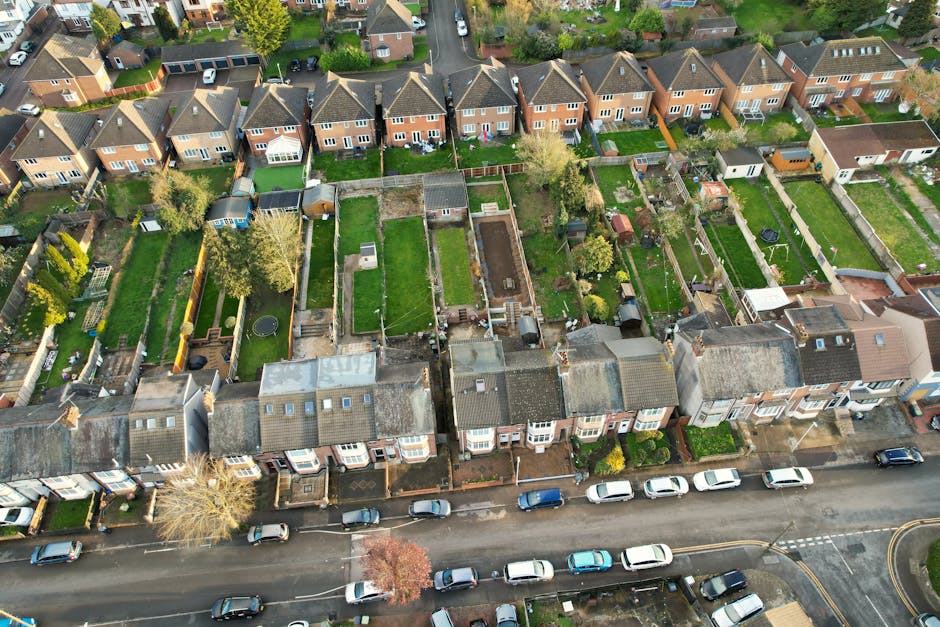
East Dulwich has a mix of Victorian terraces, family homes, shared access paths, compact front gardens, and larger back gardens that can hide all sorts of surprises. A gardener trimming a hedge or shifting soil might seem low-risk, but in real life small jobs can quickly become messy. One misplaced ladder, one cracked patio slab, one damaged neighbour's fence, and you are suddenly in conversation about liability rather than lavender.
That is why a gardener's licence and insurance status matters. In the UK, "licence" can mean different things depending on the service. For many standard gardening jobs there may not be a formal trade licence, but there may be permission, certification, training, or council-related requirements for certain activities. Tree work, waste handling, pesticides, work near roads, and some access issues can all bring added expectations. Insurance is the part most homeowners can understand quickly: if something goes wrong, who pays?
To be fair, the best gardeners tend to be the ones who are calm about these questions. They expect them. They know that trust is built early. If you are comparing providers, it is sensible to look at the business behind the service too, including pages like about us and insurance and safety, because professional standards usually show up before the first spade goes in the soil.
Expert summary: If the job involves access, height, cutting, lifting, waste removal, or tools that could injure someone or damage property, insurance and safety checks are not optional extras. They are part of hiring properly.
How Gardeners licence and insurance guide for East Dulwich homes Works
The simplest way to think about it is this: a gardener should be able to show that they are allowed to do the work they are offering, and covered if something unintended happens while they are doing it. That covers two separate ideas.
1) The right permission or qualification
For general garden care, lawn mowing, hedge trimming, and planting, the key requirement is usually competence rather than a formal licence. For more technical or regulated tasks, the picture changes. A good example is tree work. Large-scale cutting or removal can involve specialist training, equipment, and risk controls. If a gardener offers tree lopping and removal, it is fair to ask what training, process, and limits they work to.
Some jobs also carry local or legal considerations. Waste transport, for instance, may need proper handling and disposal arrangements. Even if a gardener is not "licensed" in the traditional sense, they should still be operating legally and responsibly. You are looking for competent practice, not just a nice-looking van.
2) The right insurance cover
At minimum, most homeowners expect public liability insurance. In plain English, this is there if the gardener accidentally causes damage to your property or injures a third party while working. For example, a stone shoots out from a mower and chips a window. Or a ladder slips and hits a neighbour's car. Not ideal. Insurance is what stops a small accident becoming a costly argument.
If the gardener employs staff, employers' liability insurance is also relevant. If they are a sole trader working alone, the cover structure may look different, but the principle is the same: there should be a sensible safety net in place. For larger or more complex jobs, you may also want to ask about tools cover, personal accident cover, or contract-specific protections. Not every business offers the same package, so ask instead of assuming.
How this usually plays out in practice
When you request a quote, a professional gardener should be able to explain what work they can do, what they cannot do, and what cover sits behind the job. If they need access through a shared passage, are using powered equipment, or are carrying out work near a boundary wall, the risk profile rises. That does not mean the job is unsafe. It just means the details matter more than usual.
Key Benefits and Practical Advantages
It is easy to treat insurance and licensing as admin, but for homeowners the benefits are practical and immediate.
- Less financial risk: You are less exposed if accidental damage happens.
- Better workmanship expectations: People who take safety seriously often take the work seriously too.
- Clearer responsibility: Everyone knows who is accountable if something goes wrong.
- More confidence with specialist jobs: Especially for hedge cutting at height, tree work, or heavy clearance.
- Better neighbour relations: In tight East Dulwich streets, this matters more than people think.
There is also a quieter benefit: peace of mind. You are not standing at the window half-wondering whether that ladder is balanced properly. You can focus on the garden itself, which is usually the whole point.
If you are planning ongoing work, such as lawn care or repeated lawn mowing, a well-insured gardener also reduces the stress of routine visits. The repeated work becomes easy and predictable. Lovely, really.
Who This Is For and When It Makes Sense
This guide is useful for almost any East Dulwich homeowner, but it is especially relevant if your garden work involves more than a quick tidy-up.
- Homeowners with shared access: Narrow paths, side returns, and neighbour-facing boundaries need extra care.
- Families with children or pets: Safety matters more when people are moving in and out all day.
- Landlords and letting agents: You want consistent standards and reduced liability.
- Owners of mature gardens: Older trees, dense hedges, and heavy overgrowth can increase risk.
- People booking one-off clearances: These jobs often involve sharp tools, lifting, and waste.
- Anyone improving outdoor spaces: If you are adding landscape gardening, landscaping, or decking services, the risk and cost stakes rise quickly.
It also makes sense if you have had a bad experience before. Maybe someone quoted cheaply, turned up with poor kit, and left muddy marks across the patio. Maybe they seemed fine until the invoice appeared. That sort of thing happens. A basic insurance and paperwork check helps you avoid repeat pain.
Step-by-Step Guidance
Here is a sensible way to vet a gardener for an East Dulwich home without turning it into a full-time project.
Step 1: Define the job clearly
Start with the actual work. Is it mowing, trimming, clearance, planting, fencing, or specialist tree work? The more specific you are, the easier it is to know what permissions and cover may be needed. A vague "garden tidy" can hide a whole afternoon of surprise labour. Best not to leave room for that.
Step 2: Ask what insurance they hold
Ask for the names of the policies, the insurer, and the level of cover. You do not need to become an insurance broker, but you should know whether public liability is in place and whether staff are covered if applicable. For high-risk jobs, ask what exclusions or limits apply.
Step 3: Check competence for specialist tasks
If the job involves a chainsaw, heavy cutting, climbing, or controlled removal, ask what training or experience the gardener has. For example, a service like tree surgery is not the same as cutting back a small shrub. The tools might look similar from the kitchen window, but the risk profile is very different.
Step 4: Confirm waste handling
If green waste is being removed, ask how it will be disposed of. Responsible providers usually explain this plainly. Some will include disposal in the quote; others separate it. Either way, the arrangement should be clear before work starts.
Step 5: Read the basic terms
Check the practical bits: payment timing, cancellations, scope of work, and how complaints are handled. Pages such as terms and conditions, pricing and quotes, and complaints procedure are useful because they show how a business thinks when things are normal - and when they are not.
Step 6: Book the work and keep records
Keep the quote, job description, and key messages in one place. If there is ever a question about access damage, boundary issues, or scope changes, you will be glad you did. Honestly, one email chain can save a lot of back-and-forth later.
Expert Tips for Better Results
These are the small habits that tend to separate a smooth garden job from a stressful one.
- Ask for the narrow version of the answer. Not "are you insured?" but "what cover applies to accidental damage and third-party injury?"
- Match the provider to the job. A regular maintenance gardener may be perfect for mowing, but not for complex tree work.
- Check access before the quote is final. Side return width, rear gate size, and parking constraints all affect the job.
- Be honest about the garden's condition. Overgrown beds and concealed rubble change the time, tools, and risk involved.
- Look for safety-minded language. Good providers talk naturally about risk, condition checks, and site tidiness.
One useful habit is to walk the garden with the gardener, even briefly. You will notice if they are paying attention. A careful professional tends to spot uneven paving, loose fence posts, or low branches before you have even mentioned them.
Also, if you are considering boundary work, fencing, or hard landscaping, ask early about insurance limits and any practical constraints. A project like fencing may seem simple on paper, but a sloping boundary or shared line can change everything. It is not drama. It is just real life.
Common Mistakes to Avoid
A lot of problems are avoidable if you know where people usually slip up.
- Choosing on price alone: Cheapest can be fine, but it should not be the only test.
- Assuming all gardeners do the same work: They do not. There are big differences between maintenance, clearance, landscaping, and specialist tree tasks.
- Not checking insurance wording: "We're covered" is not the same as knowing what is actually covered.
- Ignoring waste disposal: Green waste left behind can become your problem.
- Forgetting about neighbours: Noise, access, and temporary obstruction matter in tighter streets.
- Skipping written confirmation: A quick text is better than nothing, but a proper quote is better still.
Another common mistake is treating small jobs as risk-free. Even simple hedge work can be awkward if the hedge fronts a pavement or sits over a neighbour's side path. The work is not necessarily dangerous, but it deserves the same sensible checking. Little jobs cause little problems. Big jobs cause expensive ones. There's the whole story, really.
Tools, Resources and Recommendations
You do not need a huge toolkit to hire well. What you do need is a few practical reference points.
- A written quote: Helps compare scope, timing, and exclusions.
- Proof of insurance: Ask for it and keep a copy if needed.
- A clear job brief: Photos and a short description go a long way.
- Access notes: Gate width, parking, and shared entries should be mentioned early.
- A checklist of the work: Useful for multi-part jobs such as maintenance plus clearance.
It can also help to review a provider's wider information pages to understand how they operate. For example, pages about gardening services, garden maintenance, and recycling and sustainability often tell you whether they are tidy, organised, and thoughtful about the job beyond the obvious cut-and-collect stage.
And if you are comparing providers at the very start, a useful first stop is simply a proper quote page and a direct conversation. The quote should feel like it was built for your garden, not copied from last Tuesday's job on the other side of town.
Law, Compliance, Standards, or Best Practice
For East Dulwich homeowners, the main legal and best-practice question is less about a single "gardener's licence" and more about whether the work is being carried out safely, lawfully, and with suitable insurance. The exact obligations depend on the task.
Here is the careful version:
- General gardening: Usually relies on competence, proper equipment, and basic business insurance.
- Tree-related work: Often requires specialist knowledge, safer working methods, and more robust risk controls.
- Waste removal: Should be handled responsibly and in line with proper disposal arrangements.
- Work at height or near boundaries: Needs extra caution because the risk to people and property increases.
- Employer responsibilities: If staff are employed, suitable employer cover and safe working practices become especially important.
Best practice is usually simple: ask clear questions, expect clear answers, and avoid anyone who gets irritated by sensible checks. If a gardener sounds defensive about insurance, that is a signal in itself. Not a great one.
You should also expect transparent business behaviour around payment, privacy, and complaints handling. A professional operation is usually consistent across its policies, not just on the sunny parts of the website. That is why pages such as payment and security, privacy policy, and health and safety policy are quietly useful trust signals.
Options, Methods, or Comparison Table
Here is a simple comparison of common East Dulwich garden jobs and what to look for before you book.
| Type of work | Typical risk level | What to check | Best for |
|---|---|---|---|
| Lawn mowing and basic tidy-ups | Low to moderate | Public liability cover, access details, tidiness | Routine homeowners and landlords |
| Hedge trimming | Moderate | Safe equipment, ladder practice, boundary awareness | Front gardens, shared boundaries, seasonal cuts |
| Garden clearance | Moderate | Waste removal, lifting method, insurance | Overgrown gardens, move-out jobs, post-project clearances |
| Tree lopping or removal | Higher | Specialist experience, safety controls, cover limits | Mature gardens and safety-sensitive work |
| Decking or fencing work | Moderate to higher | Materials, installation standard, liability cover, boundary clarity | Garden upgrades and outdoor improvements |
If your job sits in the higher-risk column, slow down a little. Ask more questions. That extra five minutes can save you a headache later.
Case Study or Real-World Example
Imagine a typical East Dulwich back garden: a narrow side passage, a mature hedge near the fence line, a patchy lawn, and a few heavy branches hanging over from an older tree. The homeowner wants a one-day reset before visitors arrive. Nothing dramatic, just a decent tidy.
The first gardener gives a fast price over text and says they can "sort it all." The second gardener asks about access, checks whether waste needs removing, explains that hedge work near the boundary will be done carefully, and confirms insurance cover before confirming the booking. The second approach takes a little longer. Not much, but enough to feel calmer.
On the day, the gardener turns up with the right tools, protects the patio, keeps the path clear, and leaves the site clean. The job finishes with no disputes, no mystery debris, and no awkward neighbour conversation about broken panels. That is the value of a proper licence-and-insurance mindset: less drama, more garden.
In our experience, homeowners rarely regret asking the boring questions. They usually regret not asking them.
Practical Checklist
Use this checklist before you book any gardener for an East Dulwich property.
- Have I described the job clearly and honestly?
- Do I know whether the work is simple maintenance or specialist?
- Has the gardener explained what insurance they hold?
- Do I know whether staff or subcontractors are involved?
- Have I checked how waste will be removed and disposed of?
- Do I understand the quote, including any extras?
- Have I discussed access, parking, and boundary issues?
- Do the business policies feel clear and professional?
- Have I kept a copy of the quote or written agreement?
- Would I feel comfortable with this person working around my home for a few hours?
If you can tick most of those boxes, you are usually in decent shape. If several answers are fuzzy, pause and ask again. No shame in that at all.
Get a free quote today and see how much you can save.
Conclusion
The safest way to hire a gardener in East Dulwich is to treat insurance, competence, and clear communication as part of the service, not extras. That is true whether you are booking mowing, hedge trimming, clearance, landscaping, or tree work. A good gardener should welcome your questions and answer them plainly.
For homeowners, the real goal is simple: get the garden looking better without creating unnecessary risk or admin. When the paperwork is right, the work feels lighter. When the insurance is clear, you can relax a bit. And when the gardener knows what they are doing, you'll notice that too. Usually quite quickly.
So take the time to check, compare, and clarify. Your garden deserves care, and so does your peace of mind. Small effort now, smoother seasons ahead.
Frequently Asked Questions
Do gardeners in East Dulwich need a licence?
For many routine gardening jobs, there is not usually a single universal trade licence in the way people imagine. What matters more is whether the gardener is properly insured, competent, and compliant for the specific work being carried out. Specialist tasks may involve additional training, permissions, or safety requirements.
What insurance should a gardener have?
Public liability insurance is the main one homeowners usually ask about, because it helps if accidental damage or third-party injury occurs. If the gardener employs staff, employers' liability insurance may also be relevant. For more complex jobs, ask whether any extra cover applies.
Is public liability insurance enough for garden work?
It is often the main cover people look for, but not always the only thing that matters. The right level of protection depends on the work. For larger jobs, waste removal, climbing, or tree work, you should also ask about competence, safety controls, and any exclusions in the policy.
How do I check if a gardener is insured?
Ask directly and politely. A professional gardener should be able to name the type of cover and provide evidence if needed. You do not need a long legal conversation. Just enough detail to know the protection is real and relevant to the job.
Does hedge trimming need specialist cover?
Not always, but hedge work can involve ladders, tools, boundary risks, and falling debris. If the hedge is tall, near a pavement, or close to a neighbour's property, it is sensible to ask more carefully about insurance and working method.
What should I ask before booking garden clearance?
Ask what waste will be removed, how it will be disposed of, whether the quote includes collection, and what insurance applies during lifting and loading. Garden clearance can look simple, but the moving and disposal side is where mistakes often happen.
Is tree surgery different from normal gardening?
Yes, very much so. Tree surgery usually involves more risk, more specialist equipment, and stricter safety considerations than general garden maintenance. If you need tree work, ask specifically about experience, insurance, and the scope of the job.
Should I choose the cheapest quote?
Not by default. A low quote can be fine if the scope is clear and the provider is properly covered, but the cheapest offer is not always the best value. Compare insurance, communication, scope, and professionalism as well as price.
What if a gardener damages my property?
If the gardener is properly insured, there should be a process for handling accidental damage. That is why it is so important to ask about insurance before work starts. If there is ever a problem, written quotes and clear messages make the situation much easier to sort out.
Do I need a written quote for garden work?
It is strongly recommended. A written quote helps set out what is included, what is excluded, and how payment works. It reduces misunderstandings and is especially helpful for larger or multi-part jobs.
What are the warning signs of an unreliable gardener?
Vague answers about insurance, reluctance to explain the work, no written quote, poor communication, and pressure to pay too quickly are all warning signs. If someone cannot explain the basics clearly, that is worth paying attention to.
Can I use the same gardener for maintenance and landscaping?
Sometimes yes, sometimes no. It depends on the size and complexity of the work. A gardener who is excellent at regular maintenance may still be perfectly capable of simple landscaping, but bigger projects often need broader experience and stronger cover. Ask them directly and judge the answer on its detail, not just confidence.